
Before You Sign the Check: How a Startup Fashion Brand Should Invest in PR and Runway
Industry Guide
For a startup fashion brand, a runway show and a publicist can open meaningful doors. They can also absorb cash that might be needed for samples, inventory, fulfillment, or customer acquisition. The difference is not simply the size of the investment. It is whether the investment is aligned with the brand's stage, audience, and commercial direction.
A considered luxury brand strategy treats PR and runway as connected parts of a broader development pathway: establish the brand's position, identify the right audience, select a fitting platform, then measure what follows. Visibility has value when it creates relevant access and supports the next stage of growth.
Begin With the Brand's Readiness
Before committing to a show or representation agreement, define what the brand needs now. Is the priority to reach US consumers, build relationships with wholesale buyers, introduce a collection to editors, or establish a presence in a new market? These objectives call for different platforms, timelines, and budgets.
A runway show is not a substitute for readiness. The collection should be coherent, samples should be presentation-ready, and the brand should have a clear next step for interested buyers or customers. That may include a line sheet, showroom appointments, a functioning online store, or a defined production and delivery plan.
Set an investment ceiling before reviewing opportunities. Include the full cost, not only the participation or agency fee. Consider travel, shipping, samples, styling, content, press materials, insurance, post-show appointments, and the time required for follow-up. The budget should leave room to act on attention once it arrives.
Choose the Region That Serves the Customer
A prestigious location is not automatically the right location. If a brand's sales, customer base, and immediate industry relationships are primarily in the United States, a Paris appearance made only for image may create distance from the people most likely to buy, stock, or cover the collection. The reverse is also true: a US event may be a poor first investment if the brand is actively building a European customer and wholesale network.
The right region is the one that connects the brand to its intended audience and supports a plausible next step. Consider where customers are concentrated, where current stockists operate, which editors and buyers are relevant, and whether the collection's price point and category fit the market.
Fashion calendars can help with planning, but calendar proximity alone does not establish audience fit. The CFDA Fashion Calendar publishes key dates for New York Fashion Week; other major fashion bodies publish their own schedules. Use those dates as a planning reference, then assess the actual event, participants, and audience. An independent presentation, showroom, or appointment-based activation may be more useful than a crowded week if it reaches the right people.
When entering a new region, build a foundation before making a major commitment. Start with targeted editorial outreach, selected partnerships, market research, buyer introductions, or a smaller presentation. This creates context and helps test interest. A larger showcase can follow when the brand has a clearer understanding of the market and a credible plan for converting attention into relationships.
Time the Show Around the Collection
The best timing is not simply the most prominent week on the calendar. It is the moment when the collection, production capacity, and audience are ready to meet.
Work backward from the proposed date. Allow time for collection development, sample completion, casting, fittings, production coordination, press materials, invitations, and buyer appointments. Then reserve time after the event for follow-up. If the pieces will not be ready for delivery, or the business is not equipped to respond to orders and inquiries, a presentation, showroom appointment, or digital release may serve the collection better than a full runway.
Choose the format according to the purpose. Runway is most useful when movement, styling, and a strong visual narrative are central to the collection. A showroom or presentation can allow more time for product conversation, material detail, and buyer review. The format should make the collection legible to its intended audience, not simply provide a dramatic backdrop.
Treat Shared Showcases as a Curated Decision
Shared runway formats can reduce costs and create a route into an event environment that may otherwise be difficult to access. The value, however, depends on curation and execution. A lower participation fee does not make every platform a sound investment.
Before signing, research the other brands on the program. Their positioning, quality, and audience should sit comfortably alongside yours. Review past showcases, not only promotional images. Look for complete event documentation, press coverage, audience evidence, and references from designers who participated in recent seasons.
Assess the producers as carefully as the venue. Ask who is responsible for creative direction, show flow, casting, backstage coordination, press outreach, guest management, and post-event content. Request a written description of what the fee includes, what remains your responsibility, and what is promised versus simply anticipated. Clarify the number of participating brands, placement within the program, image and video rights, cancellation terms, and any additional charges.
Then follow the participating labels after the event. Did they gain relevant editorial attention, buyer conversations, stockists, or a stronger market presence? This research offers useful case-study evidence. It does not prove that the showcase alone caused a brand's later growth, but it helps establish whether the platform has supported outcomes that matter to designers like you.
A simple test is to ask: Would this opportunity still make sense if its location and "fashion week" label were removed? If the answer is no, pause before committing.
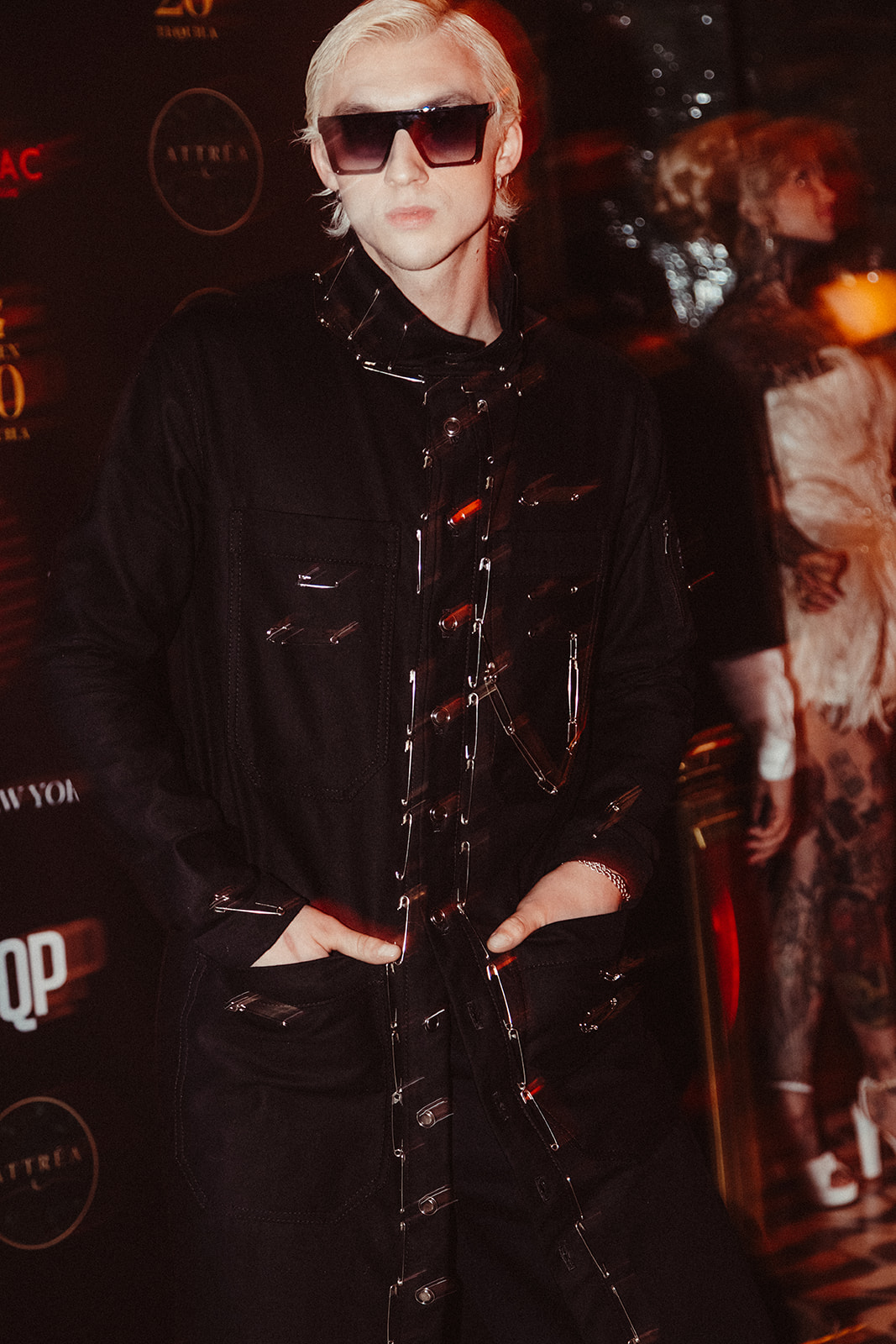 Brand. BORIS MAARUCHA. NYFW Sept 26' courtesy: Confessional Showroom NYC.
Select PR Representation for Strategic Fit
The same discipline applies when selecting a fashion PR agency or publicist. Representation should support the brand's vision, not impose a standard formula. A strong working relationship combines the founder's knowledge of the brand with the publicist's experience, media judgment, and ability to provide clear counsel.
Assess who will actually manage the account. Ask about the agency's current roster, the day-to-day team, relevant experience with emerging designers, and the time available for your brand. A high-profile name or impressive client list does not necessarily tell you how much attention a new label will receive.
Review comparable case studies and ask for detail: the work undertaken, the types of coverage or relationships pursued, and what happened after the initial visibility. Distinguish earned editorial coverage from paid placements, sponsored content, and other forms of promotion. Ask how the agency reports activity and results, and what it considers meaningful for your stage.
Be cautious of representation built around celebrity association or hierarchy rather than the development needs of your label. A publicist can steer, refine, and connect; they cannot credibly guarantee stardom or replace the brand's own identity. The relationship should strengthen the existing vision through informed strategy, not reinvent the brand without a clear reason.
Agree on Scope and Measure the Work
Before the engagement begins, agree on the scope, communication rhythm, approvals, expenses, term, and exit process in writing. Establish objectives that match the brand's priorities. Depending on the brief, useful measures may include qualified editor or buyer meetings, relevant coverage, sample requests, showroom appointments, retailer inquiries, referral traffic, or customer signups.
Not every result is immediate, and not every outcome is directly attributable to PR or a show. Still, reporting should make the work visible and give both sides a basis for decisions. The AMEC Barcelona Principles emphasize setting clear objectives and evaluating communication through relevant outputs, outcomes, and impact, not relying on advertising-value equivalents as proof of PR value.
Review progress at agreed intervals. If the strategy is not reaching the intended audience, discuss what needs to change before adding more spend. Strong representation listens to feedback, explains its recommendations, and adapts the plan with the brand, not around a fixed internal process.
Invest in the Next Right Step
For an emerging label, growth is a sequence: development, targeted visibility, meaningful relationships, and broader market access. Each commitment should strengthen that sequence.
Posh Group Creative Agency works across emerging designer development, creative direction, runway production, and media exposure, with an international perspective shaped around the brand and its audience. Its services and Front Row platform reflect a curated approach to connecting designers with presentation opportunities and industry visibility.
The principle remains straightforward: research before signing, build before expanding, and choose the platform that serves the customer, not the photograph. Curate the opportunity. Protect the investment. Build with intention.
Enter the Studio
Receive selected announcements, designer opportunities, runway updates, editorial stories, and international project news from Posh Group Creative Agency